
Night Glare Driving on Hwy 290: How Anti-Reflective Lenses Fix Halos Around Headlights
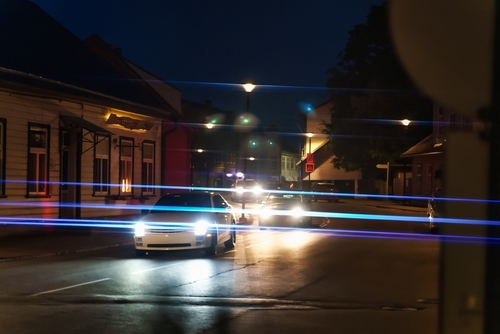
Night Glare Driving on Hwy 290: How Anti-Reflective Lenses Can Help With Halos Around Headlights
Driving on Hwy 290 after sunset can feel more demanding when headlights appear surrounded by rings, streaks, or a distracting glow. For drivers in Cypress, these visual disturbances can make it harder to read signs and see the road clearly. At Vision Source Cypress, we help identify what is causing night glare and whether updated prescription lenses with an anti-reflective coating could help.
Why Headlights Look Different at Night
Your pupils widen in dim lighting, which can make uncorrected vision problems more noticeable. Astigmatism, for example, can cause lights to appear stretched or streaky. Dry eye can disrupt the smooth tear surface needed for clear vision, while cataracts can scatter light inside the eye.
Reflections from your glasses may add another layer of glare. Because several factors can contribute, halos around headlights deserve an eye exam rather than an automatic assumption that new lenses will solve everything.
How Anti-Reflective Lenses Help
Anti-reflective lenses have a coating that reduces reflections from the lens surfaces. This allows more light to pass through and can reduce distracting reflections from headlights, streetlights, and dashboard lighting.
For someone whose glasses contribute to night glare, this coating may make nighttime vision more comfortable. However, it does not treat dry eye, remove cataracts, or guarantee that every halo will disappear. The benefit depends on what is causing your symptoms and whether your prescription is accurate.
Why Your Prescription Matters
An anti-reflective coating works alongside your prescription. If your prescription no longer corrects your vision adequately, reducing surface reflections alone may leave you with blurred signs or streaks around lights.
During an eye exam at our Cypress practice, we assess your vision and eye health to look for contributing factors. Tell us when the glare started, whether it affects one or both eyes, and whether it happens with or without your glasses. Bringing your current eyewear also helps us review your concerns.
Practical Ways to Reduce Night Glare
Small changes can help limit additional glare during your evening drive:
Clean your glasses with a lens-safe cleaner and microfiber cloth.
Keep the inside and outside of your windshield clean.
Dim dashboard lighting while keeping the controls easy to read.
Direct air vents away from your eyes to limit drying.
Avoid sunglasses or tinted “night-driving” lenses after dark, since they reduce incoming light.
When to Schedule an Eye Exam
If halos are new, worsening, or making you avoid evening trips around Cypress, schedule an evaluation. Even when daytime vision seems clear, nighttime difficulties can reveal a prescription issue or an eye condition that needs attention. If you cannot see the road clearly, avoid driving at night until your vision has been evaluated.
For help with night glare on Hwy 290, contact Vision Source Cypress in Cypress, TX, by calling (832) 653-2631. Schedule an eye exam so we can evaluate your symptoms and discuss whether anti-reflective lenses are right for you.
Quick Links
Helpful Articles

All Eye Care Services
Find personalized eye care excellence with our comprehensive services. From eye exams to advanced diagnostics, trust us for all your vision needs.
Keep In Touch
For non-urgent questions or to learn more about our services, contact us today!
Quick Links
Contact Info
- 15103 Mason Rd, Suite B9
Cypress, TX 77433 - Phone: (832) 653-2631
- Fax: (832) 653-2762
Hours of Operation
- Monday 9:00am - 5:00pm
- Tuesday 9:00am - 5:00pm
- Wednesday 9:00am - 5:00pm
- Thursday 9:00am - 5:00pm
- Friday 9:00am - 5:00pm
- Saturday 9:00am - 2:00pm
- Sunday Closed
- Monday
- Tuesday
- Wednesday
- Thursday
- Friday
- Saturday
- Sunday
- Monday
- Tuesday
- Wednesday
- Thursday
- Friday
- Saturday
- Sunday
© 2026 Vision Source Cypress. All rights Reserved - Accessibility Statement - Privacy Policy - Sitemap
Managed and Designed by 